structural change

The Road to a Hydrogen Future

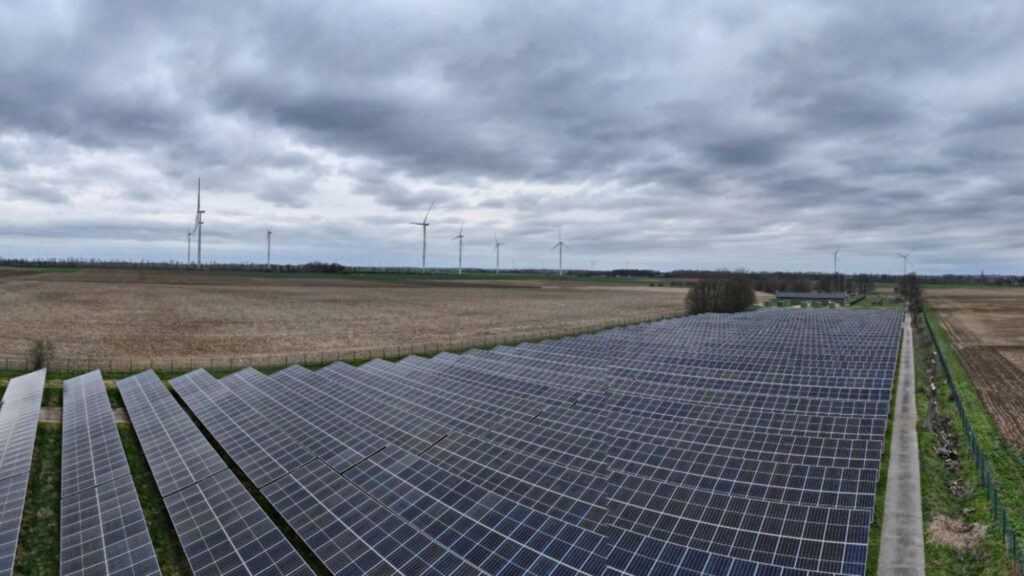
Wind turbines and photovoltaic systems, such as those seen here next to the Brainergy Park in Jülich, are among the technologies that will make a future with hydrogen possible. Photo: Forschungszentrum Jülich/Jansen

“Hydrogen is an essential part of the future of our company. We have an innovative idea, but need support in finding the best way forward.” If your company is based in the Rhenish mining area and this statement more or less reflects your stance on hydrogen, then you’ve come to the right place. Take the first step: write down your first concept on no more than three pages and submit your idea to us. You can also contact us to arrange a consultation.

Our email address is ideenskizzen.hc-h2@fz-juelich.de.

Project developers at the Helmholtz Cluster for a Sustainable and Infrastructure-Compatible Hydrogen Economy (HC-H2) can advise you and review your concept. They assess whether your project is sufficiently innovative that it can be supported with funding from the German Federal Ministry of Education and Research (BMBF). There is an informal call for funding from the BMBF for this purpose.

Focus on climate change and structural change

If the project can make an innovative contribution to reducing global warming while also having the potential to bring about new economic power in the Rhenish mining area, then our cluster – the core of which is formed by Forschungszentrum Jülich’s Institute for a Sustainable Hydrogen Economy – can help you and your project to take the next steps towards a hydrogen future.

In your three-page concept, the demonstration project should be clearly presented from a technological perspective. It should also clearly outline the innovative nature of the project and the way in which new economic power can be generated in the Rhenish mining area. Alongside climate change, structural change in the Rhenish mining area is the second important factor influencing the work of HC-H2.

The cluster aims to develop into a demonstration region in which innovative hydrogen technologies are demonstrated, the development, operation, and export of which will create new jobs. With the goal being to export these technologies to other regions of the word, hydrogen technology is having a growing influence in the fight against climate change.

Current

A Glutton and an Extractor

May 13, 2026

A bacterium discovered by a research team from the University of California in the mid-1980s in the Gulf of Naples has a remarkable property. “Thermogata

Challenge: Load Flexibility

May 5, 2026

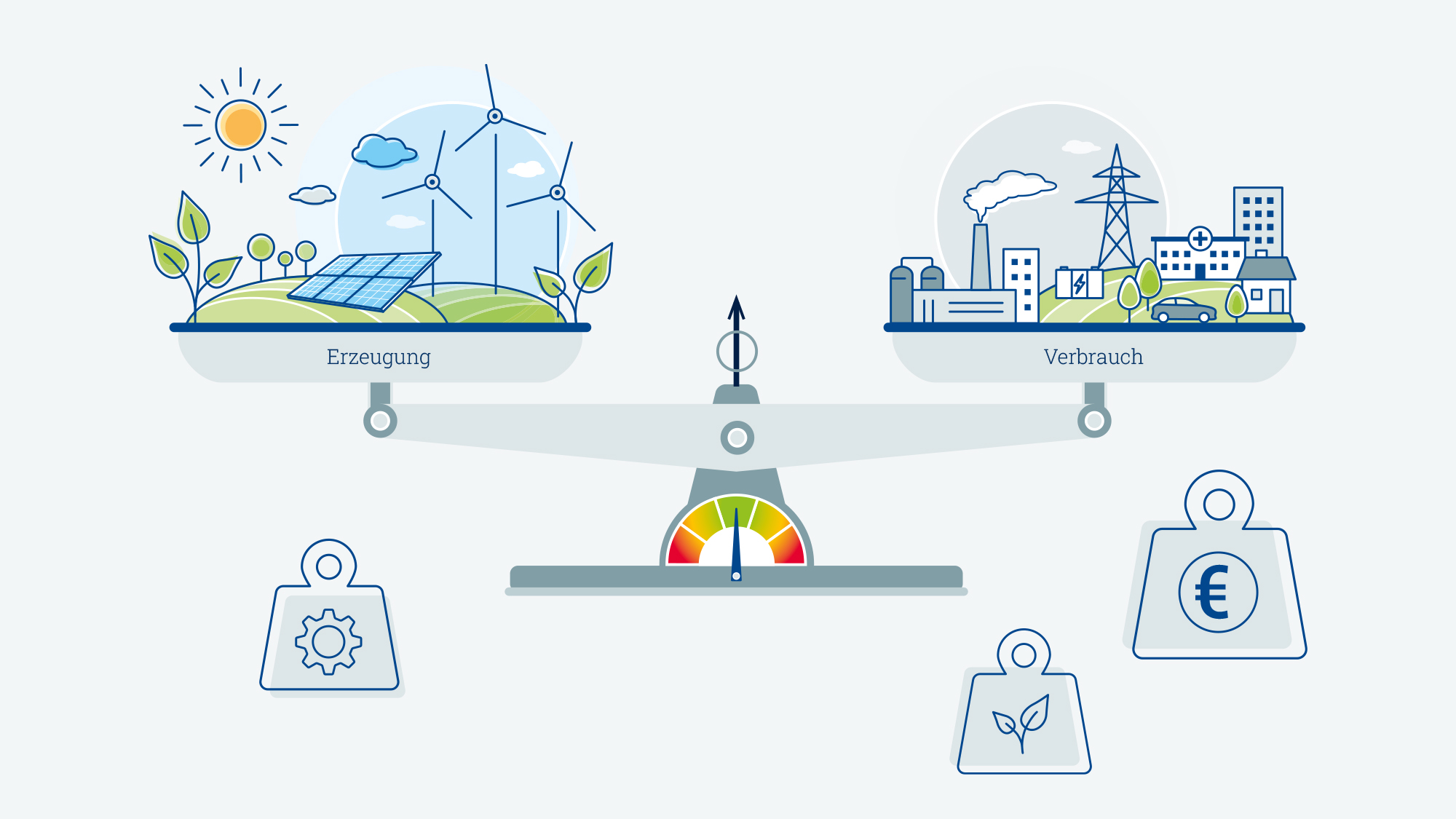
Our name is a challenge: Helmholtz Cluster for a Sustainable and Infrastructure-Compatible Hydrogen Economy. Anyone who presents it needs a short break afterwards due to

Climate-friendly pathways for industrial sand drying

April 24, 2026

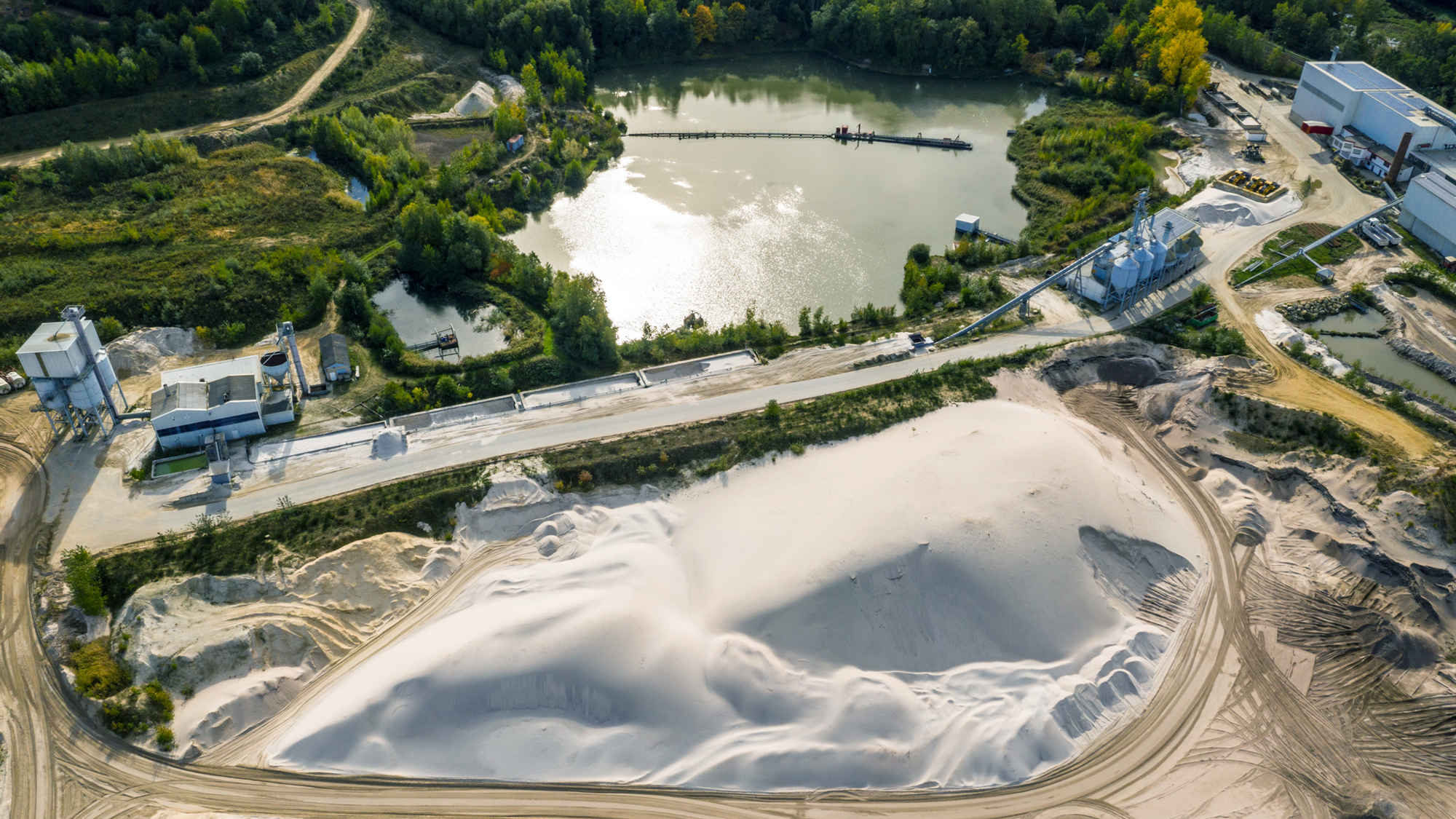
Forschungszentrum Jülich and Nivelsteiner Sandwerke und Sandsteinbrüche GmbH (Herzogenrath) are collaborating in the HySand demonstration project to develop climate-friendly, cost-efficient solutions for industrial sand drying.

Sweet-LOHC: the next generation of chemical hydrogen storage

April 15, 2026

Liquid organic hydrogen carriers are set to become even more sustainable. In a new research focus at the Institute for a sustainable Hydrogen Economy (IHE),

Aerogel Launch Factory: The airy, lightweight bridge over the Valley of Death

April 13, 2026

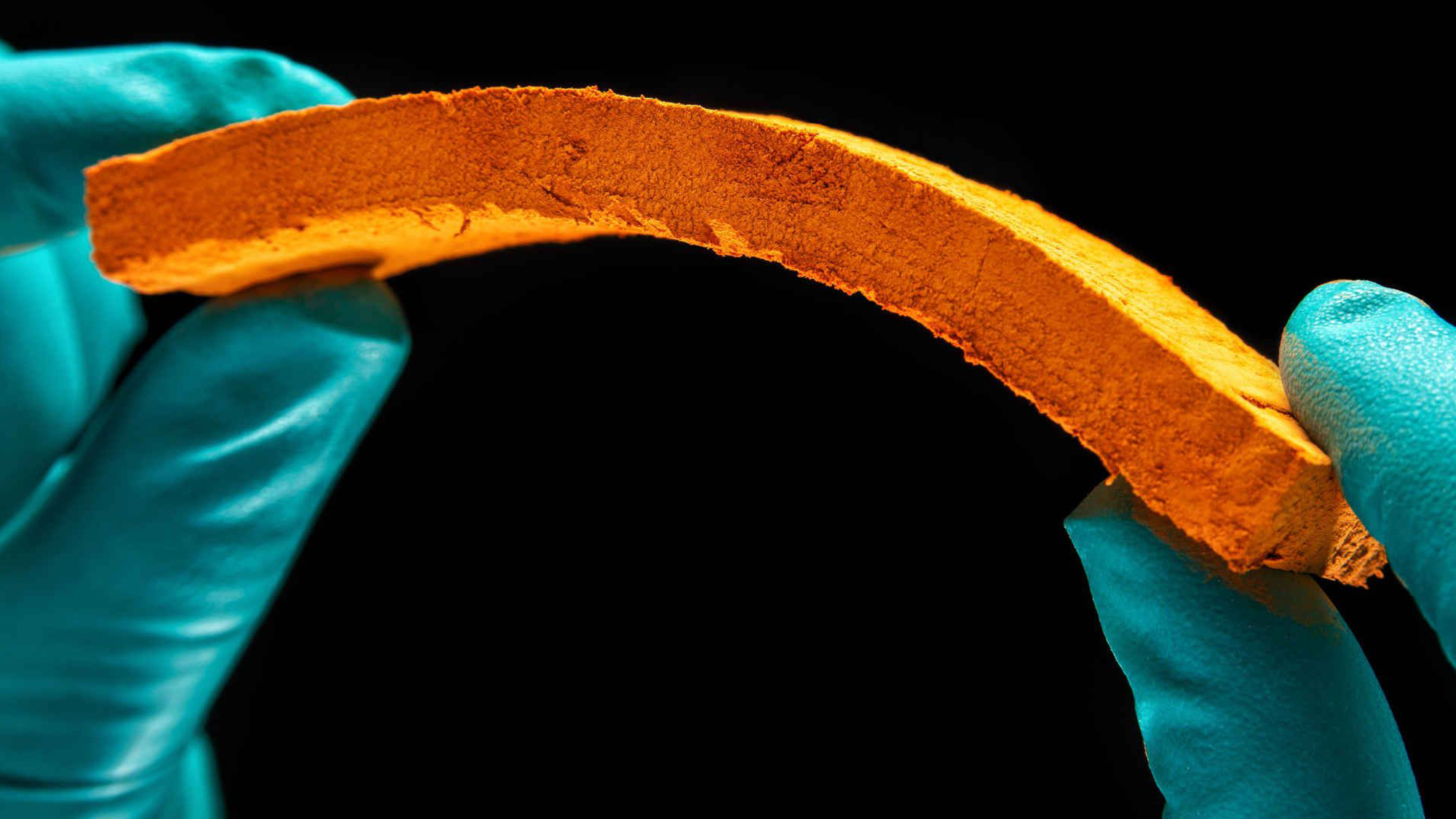
Aerogels are actually quite an aerial act. “They have a low weight and a huge surface area at the same time,” says Dr. Bernhard Seifried

A new path to climate-friendly industrial heat

April 2, 2026

Around one in seven tonnes of CO₂ emissions in Germany is generated by the production of process heat for industry. Hyca Heat, a start-up recently

Hydrogen: a key issue for the future – act locally, think globally

March 27, 2026

The energy transition will not be decided in individual regions, but at European level. At the same time, it is crucial that regions contribute their

2-in-1 Energy Converter

March 17, 2026

In the future energy system, the availability of green electricity will fluctuate significantly – at times plentiful, at other times scarce. To balance supply and

Archimedes Science Award 2026 goes to hydrogen pioneer Prof. Peter Wasserscheid

March 9, 2026

TUD Dresden University of Technology, the DRESDEN-concept Science and Innovation Alliance (DDc) and the Free State of Saxony are presenting the 2026 Archimedes Science Award

Award for Jülich doctoral researcher in crystallography

March 2, 2026

Researcher Johanna Bantol from Forschungszentrum Jülich has received the Lieselotte Templeton Prize of the Deutschen Gesellschaft für Kristallographie (German Crystallographic Society, DGK). The award was