structural change

The Road to a Hydrogen Future

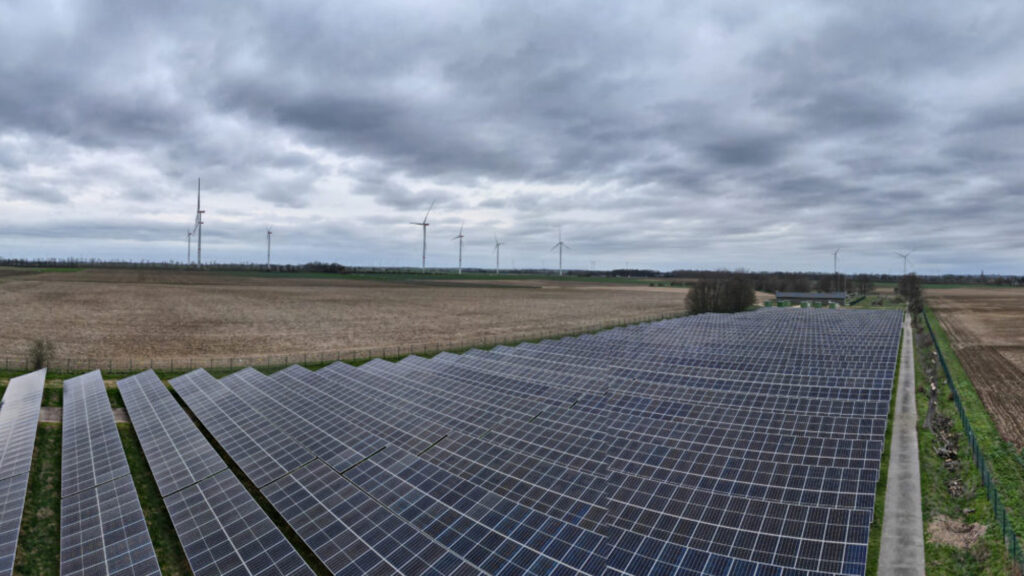
Wind turbines and photovoltaic systems, such as those seen here next to the Brainergy Park in Jülich, are among the technologies that will make a future with hydrogen possible. Photo: Forschungszentrum Jülich/Jansen

“Hydrogen is an essential part of the future of our company. We have an innovative idea, but need support in finding the best way forward.” If your company is based in the Rhenish mining area and this statement more or less reflects your stance on hydrogen, then you’ve come to the right place. Take the first step: write down your first concept on no more than three pages and submit your idea to us. You can also contact us to arrange a consultation.

Our email address is ideenskizzen.hc-h2@fz-juelich.de.

Project developers at the Helmholtz Cluster for a Sustainable and Infrastructure-Compatible Hydrogen Economy (HC-H2) can advise you and review your concept. They assess whether your project is sufficiently innovative that it can be supported with funding from the German Federal Ministry of Education and Research (BMBF). There is an informal call for funding from the BMBF for this purpose.

Focus on climate change and structural change

If the project can make an innovative contribution to reducing global warming while also having the potential to bring about new economic power in the Rhenish mining area, then our cluster – the core of which is formed by Forschungszentrum Jülich’s Institute for a Sustainable Hydrogen Economy – can help you and your project to take the next steps towards a hydrogen future.

In your three-page concept, the demonstration project should be clearly presented from a technological perspective. It should also clearly outline the innovative nature of the project and the way in which new economic power can be generated in the Rhenish mining area. Alongside climate change, structural change in the Rhenish mining area is the second important factor influencing the work of HC-H2.

The cluster aims to develop into a demonstration region in which innovative hydrogen technologies are demonstrated, the development, operation, and export of which will create new jobs. With the goal being to export these technologies to other regions of the word, hydrogen technology is having a growing influence in the fight against climate change.

Current

Carl Zerbe Prize for Jülich researcher Patrick Schühle

October 23, 2026

Understanding chemical reactions and using that knowledge to develop processes for sustainable energy carriers: this combination of fundamental research and practical application has earned Dr

Tracing green hydrogen: PhD opportunity at IHE

October 20, 2026

How can we determine whether hydrogen or its derivatives come from renewable or fossil sources? At the Institute for a sustainable Hydrogen Economy (IHE), we

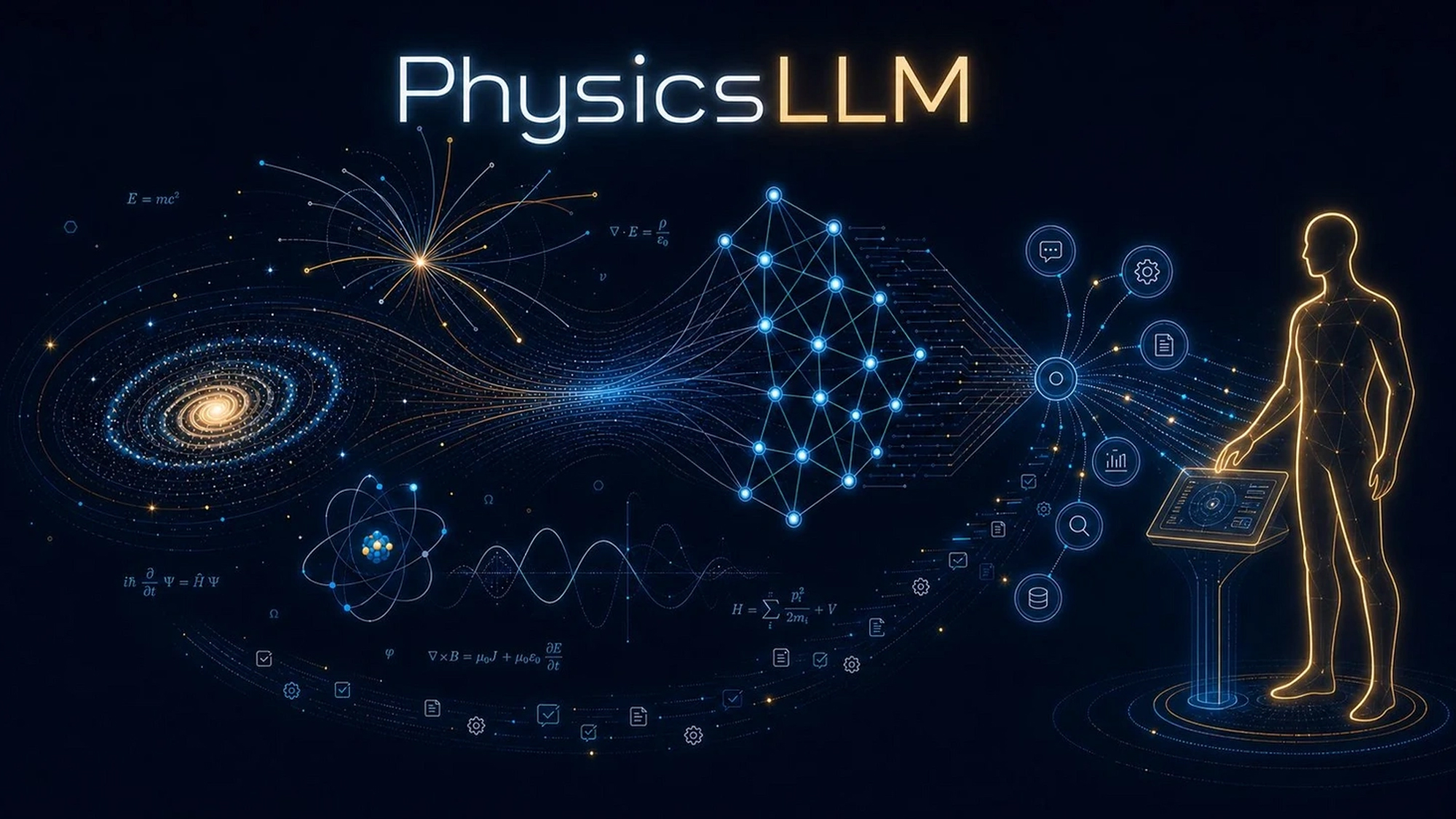
The needle in the data haystack: how AI could speed up research

October 16, 2026

Large-scale research facilities generate enormous volumes of data. And those volumes keep growing. Prof. Hans-Georg Steinrück, a physicist at Forschungszentrum Jülich, describes this as a

Hydrogen for industrial process heat: HyHeat demonstrates real-world application

September 30, 2026

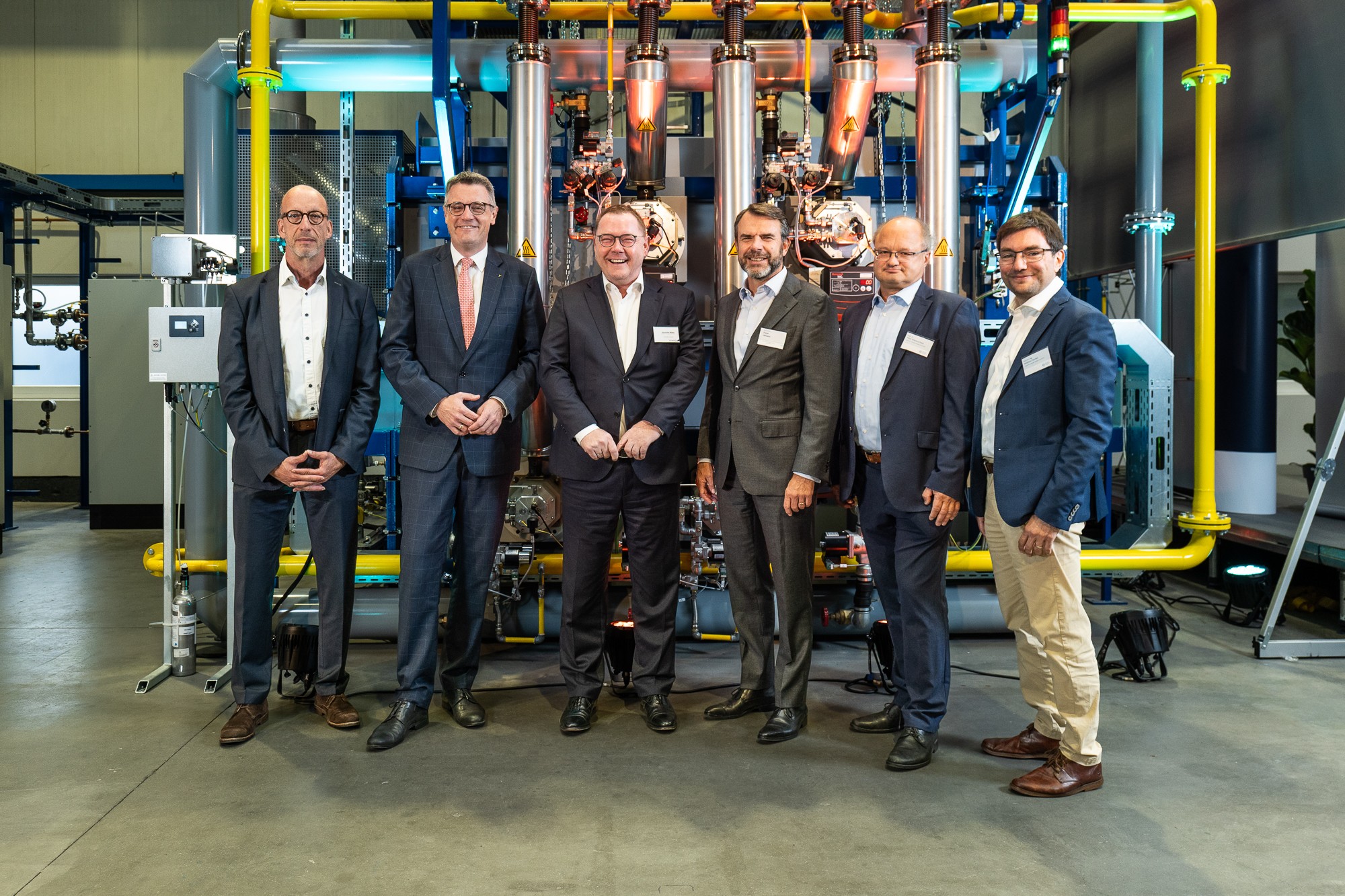
Today in Simmerath, the schwartz Group and Forschungszentrum Jülich presented a pilot plant that tests the use of hydrogen in high-temperature industrial processes. The demonstrator

The Green Backbone of the Energy Transition

August 6, 2026

Hydrogen is a colourless gas. So why do people talk about the colours of hydrogen? The colours refer to how it is produced – and

A Glimpse into the Future

July 3, 2026

Firmly anchored to the ground, the structure of the Brainergy Hubs is steadily taking shape. For now, the building’s distinctive circular design is only beginning

Peter Wasserscheid to Coordinate European Hydrogen Programme

June 25, 2026

Professor Peter Wasserscheid of Forschungszentrum Jülich has been appointed Coordinator of the Clean Hydrogen Joint Programme of the European Energy Research Alliance (EERA). The programme

The future is green: container power plant arrives at Erkelenz hospital

June 11, 2026

A heavy-duty crane has lifted Reverion’s fuel-cell power plant into place at Hermann-Josef Hospital in Erkelenz. With the installation of the striking green container, the

Hydrogen pathways for regions beyond the core network

June 8, 2026

Scientists at Forschungszentrum Jülich have outlined new approaches for supplying hydrogen to areas that will not be connected to Germany’s planned hydrogen core network by

Hydrogen Up Close at tu! Hambach

May 21, 2026

How is hydrogen produced? How is hydrogen produced? What role could it play in building a climate-friendly energy system for the future? And what exactly