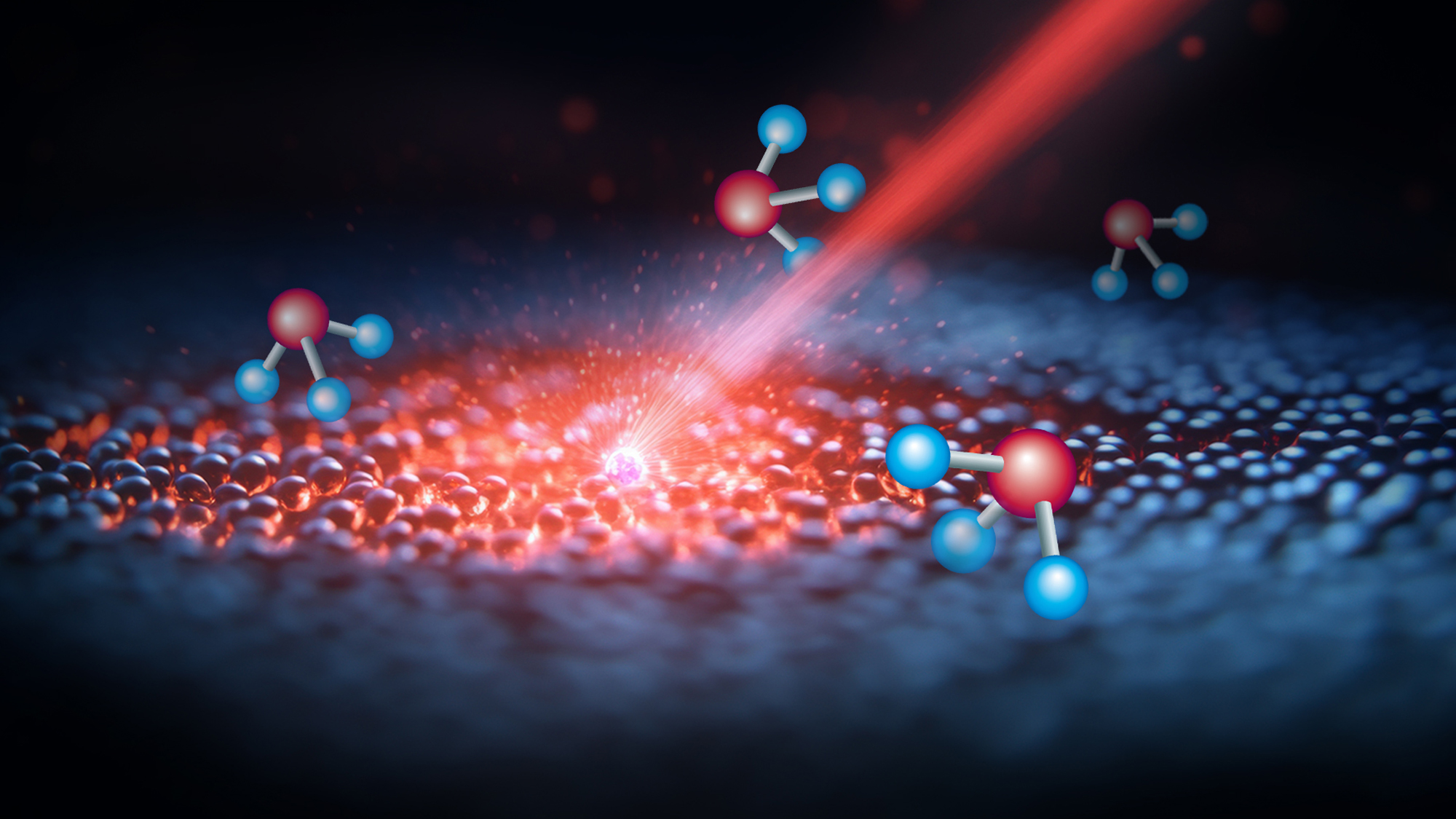

Scientists at Forschungszentrum Jülich have outlined new approaches for supplying hydrogen to areas that will not be connected to Germany’s planned hydrogen core network by 2032. In a recent publication, they describe the use of chemical hydrogen carriers from which hydrogen is only released at the point of consumption.
“There is already a considerable body of research examining how hydrogen imports can reach Europe by sea,” says lead author Oliver Ulrich of the Institute for a Sustainable Hydrogen Economy at Forschungszentrum Jülich. Chemical hydrogen carriers are regarded as a large-scale solution for importing hydrogen via maritime transport. According to the German government’s import strategy, between 50 and 70 per cent of hydrogen demand in 2030 will need to be met through imports. A substantial share of these imports is expected to arrive by sea in the form of chemical carriers.
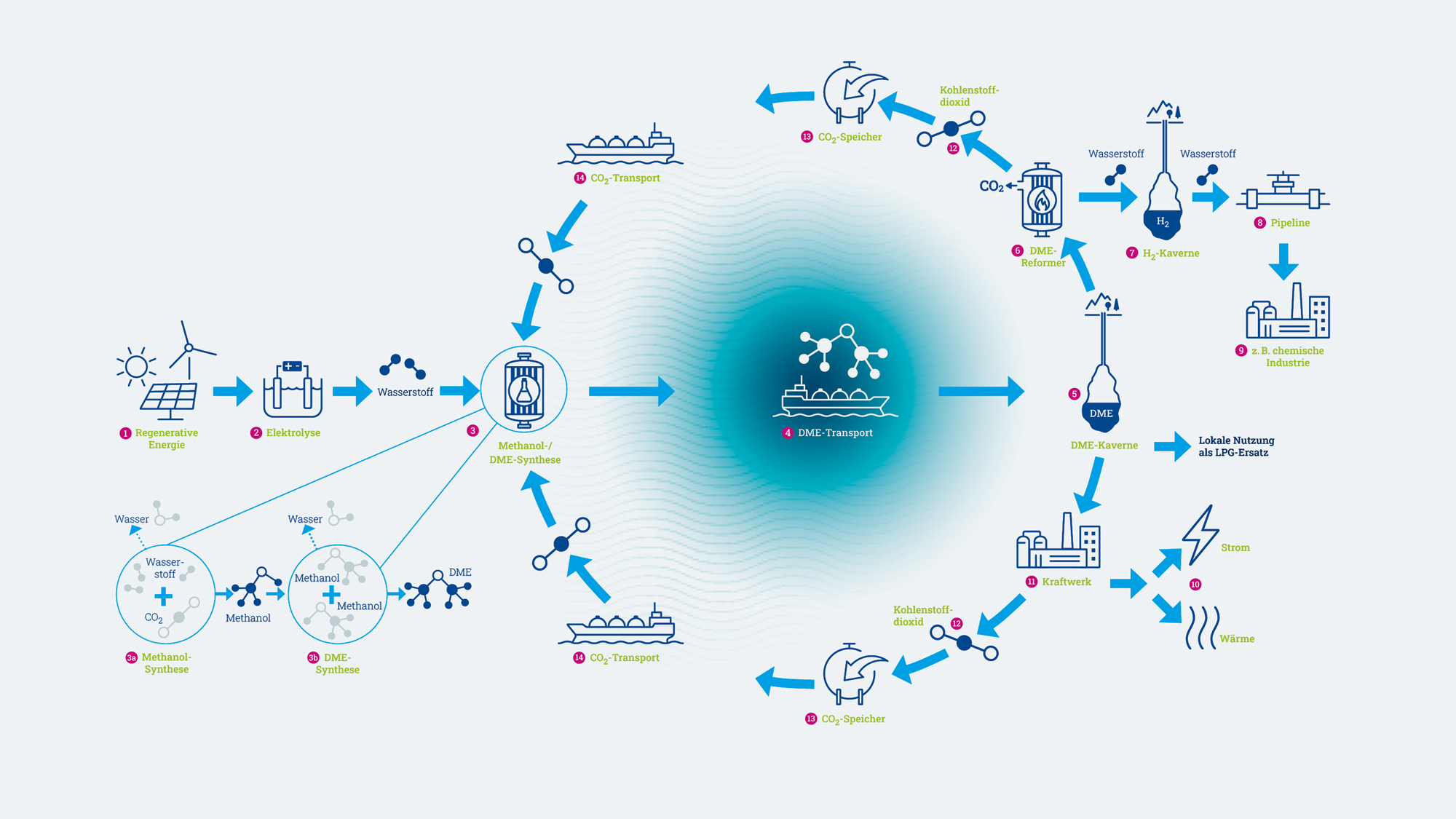
These include molecules such as ammonia, methanol, dimethyl ether and so-called liquid organic hydrogen carriers (LOHCs). They contain hydrogen as a component, which can be released when required. “What the future distribution system from the ports into the wider regions will look like is far from clear, because there will not be a single solution,” explains Oliver Ulrich. Several routes are conceivable. The Jülich team therefore aims to develop a digital tool that will help identify the most suitable option. The publication represents a first step in that direction.

The core network will not cover all regions
One thing is certain: pipelines will play a major role, in Germany’s case through the planned hydrogen core network. Hydrogen would be released from its carrier at the port in a large-scale industrial facility and then fed into the pipeline system. “This is the best solution for all users with access to the core network. Unfortunately, however, the network will not reach everywhere,” says Ulrich. In regions such as the Eifel, the area between Bielefeld, Göttingen and Kassel, or around the border region of Mecklenburg-Western Pomerania, Lower Saxony, Saxony-Anhalt and Brandenburg, the nearest connection point may be 50 to 100 kilometres away. “In some cases, consumers may have to finance their own connection to the core network. The rule is simple: the greater the distance from the network, the more expensive the supply becomes.” As an alternative to pipelines, hydrogen can also be delivered by truck or rail in highly compressed or liquefied form. However, costs rise rapidly with these options as well.
Releasing hydrogen at the point of use
“It is worth discussing another route: instead of releasing hydrogen from the carrier at the port, we make use of the carrier’s superior storage and transport properties and deliver it directly to the consumer,” explains the Jülich researcher. This would mean that hydrogen has to be released from the carrier at the customer’s site, which entails additional costs. “We need to calculate the costs of such decentralised hydrogen release at the customer’s premises. These figures do not yet exist, partly because the technologies still need to be adapted to the processes of potential users. Only then will we be able to determine whether the additional transport costs for hydrogen are lower than the costs of releasing it on site.”
A universal answer is not possible, as regional and site-specific factors will play an important role. These include access to transport infrastructure, the number of local users who can share costs, and the specific process requirements of each application. One example concerns heat demand. Releasing hydrogen from a carrier requires heat, which increases costs if it has to be supplied separately. If waste heat from an existing industrial process can be used instead, costs can be significantly reduced.
The characteristics of hydrogen carriers
The choice of hydrogen carrier is another important factor, as each has its own advantages and challenges. Ammonia is currently the most widely discussed option for large-scale transport and storage. However, its toxicity necessitates enhanced safety measures. LOHCs offer the lowest hydrogen storage density but are the easiest to handle. Methanol and dimethyl ether provide a good compromise between practicality and cost. However, releasing hydrogen from these carriers generates carbon dioxide, which must subsequently be captured so that it can be recycled rather than emitted into the atmosphere.
One of the first applications for the planned digital tool will be the HyHeat demonstration project. Forschungszentrum Jülich and the schwartz Group, headquartered in Simmerath in the northern Eifel region, are exploring new ways to reduce the carbon dioxide emissions currently associated with the use of fossil fuels in metal heat-treatment processes. Hydrogen and its carrier molecules are expected to play an important role. The heat-treatment systems developed within the project are supplied across Germany and internationally, yet not all customers can expect access to a hydrogen pipeline connection. “We are approaching the issue with an open mind and examining all available options for providing hydrogen, including decentralised release from hydrogen carriers, local hydrogen production and the direct delivery of hydrogen,” says Oliver Ulrich. HyHeat will run until the end of 2026. The first results concerning different hydrogen supply options are expected thereafter.
The copyright for the images used on this website is held by Forschungszentrum Jülich, aligator kommunikation GmbH and stock.adobe.com.