
They are invisible yet indispensable: membranes save lives and play a crucial role in the production of hydrogen. Research is constantly striving to improve them. Aachen-based membrane expert Prof. Matthias Wessling even speaks of a search for the Holy Grail.
Anyone who loves coffee knows the importance of the filter: it lets the aromatic liquid pass through while holding back the coffee grounds. The coffee filter is a simple and well-known form of membrane. “Many will recall the semipermeable membrane from their biology lessons,” says Matthias Wessling, Professor of Chemical Process Engineering at RWTH Aachen University and one of the world’s leading experts in membrane technology. “The desired substances pass through the membrane, while the undesired ones are retained.” So far, so simple.
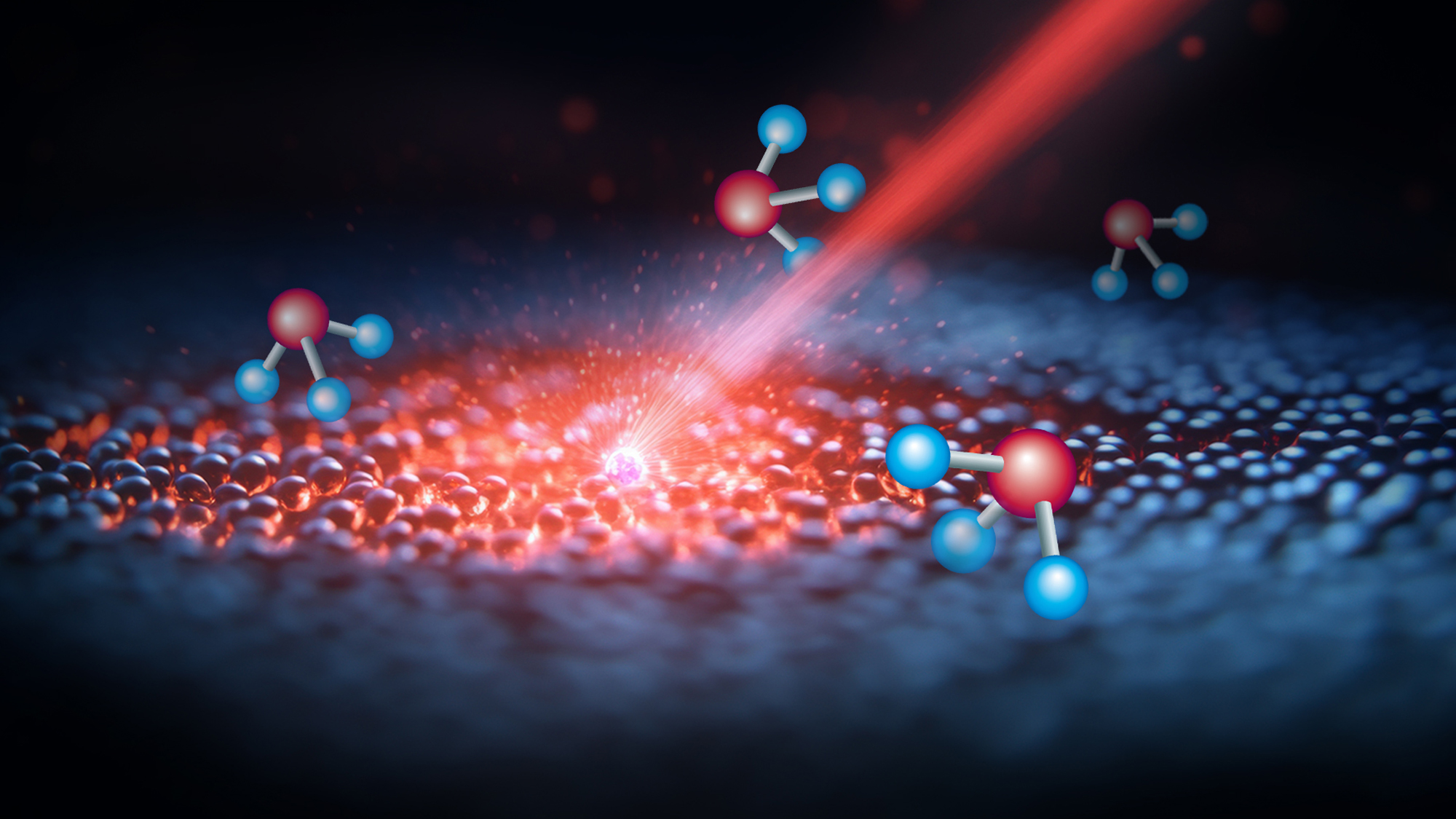
But membranes can do far more: for example, they can filter gases out of liquids. This saves lives by removing carbon dioxide from the blood and thereby increasing oxygen levels when the lungs can no longer perform this task sufficiently. In hydrogen production via electrolysis, membranes prevent the generated hydrogen and oxygen from following their natural tendency to recombine into water. Their filtration function is therefore a fundamental prerequisite for storing energy in the form of hydrogen. It is what allows humans to decide when the energy released upon the recombination of hydrogen and oxygen should be made available.
Highly specialised and durable
Research has produced many complex, specialised materials. “One challenge remains: PFAS – per- and polyfluorinated alkyl substances,” says Wessling. This group of chemicals – often referred to as “forever chemicals” – has certain advantages: they are extremely durable and ensure that membranes function reliably even under demanding conditions. Such conditions include the oxidative environment found in electrolysers, where high levels of oxygen cause materials to readily lose electrons – that is, to oxidise. PFAS are remarkably stable under these circumstances. “At present, there is nothing better,” Wessling notes. In technical plants and controlled environments, PFAS can be handled safely. They are also used in everyday items.
And this is where problems arise: according to the European Food Safety Authority, PFAS may pose health risks, including possible impacts on the immune system. Almost everyone is exposed to them, for example through water-repellent clothing or coated pans and pots. Once released, PFAS barely degrade in the environment or in the human body – a forever chemical with unwanted risks and side effects. Broader regulation within the EU may also have implications for research.
“Membranes that remain stable for long periods and do not rely on PFAS – that would be like finding the Holy Grail,” says Wessling. The search has been under way for a long time, and first advances have already been made: PFAS-free membranes with demonstrably similar beneficial properties have been developed in the laboratory.

“Membranes that remain stable for long periods and do not rely on PFAS – that would be like finding the Holy Grail.”
Prof. Matthias Wessling, Professor of Chemical Process Engineering at RWTH Aachen University
Industrial-scale test facility
However, these new materials often lose their properties after only a few days. For electrolysers, which must function reliably for ten years, this is far too little. Wessling emphasises: “The chemistry is anything but trivial. It is not only a matter of developing PFAS-free membranes. The production pathway must also be sustainable – otherwise we simply shift the problem elsewhere.” The challenge therefore concerns both the material itself and its manufacture, as well as other components of hydrogen technology that degrade during operation. “It’s not just the membranes that are unstable – catalysts also change during use.”
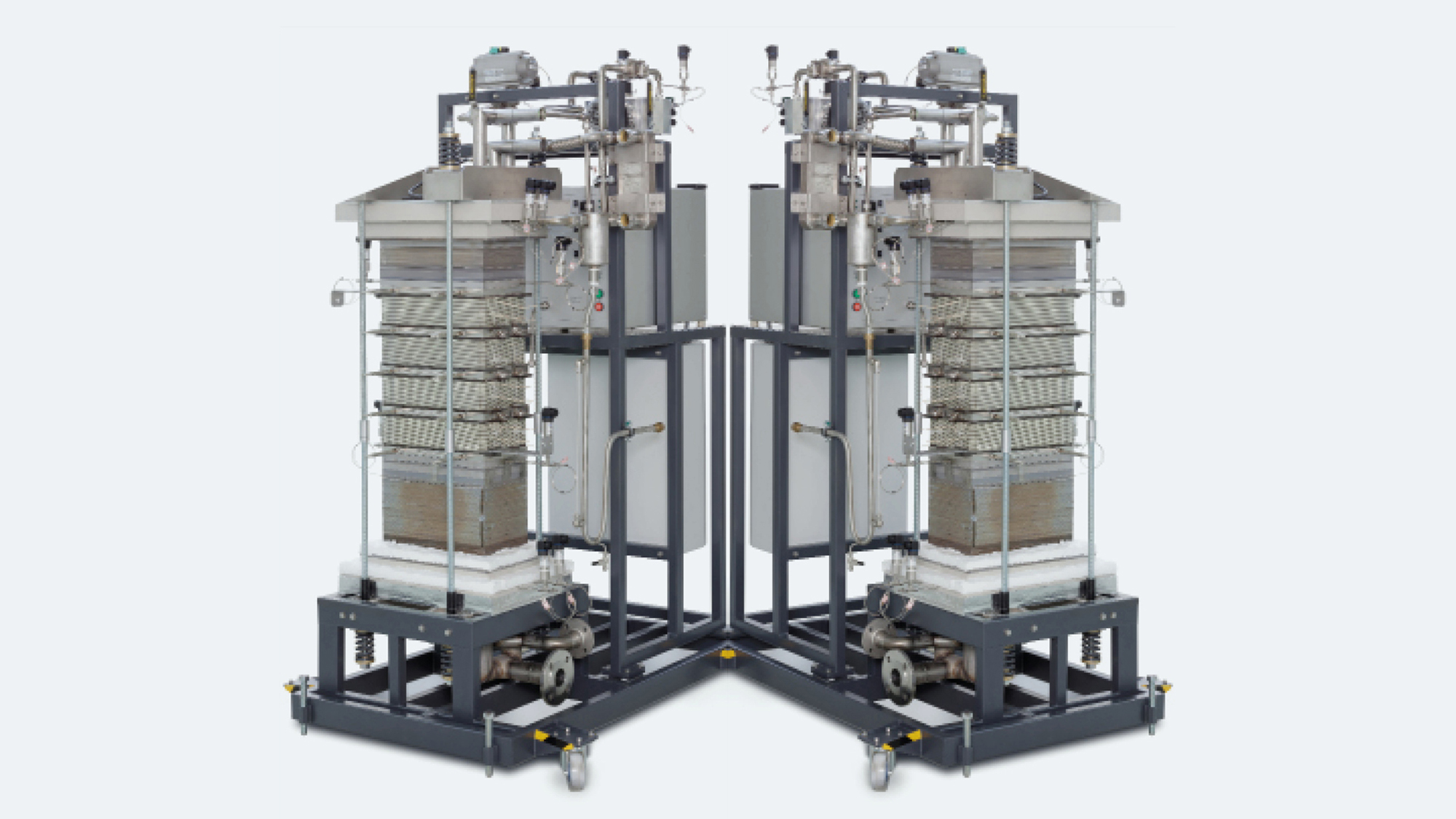
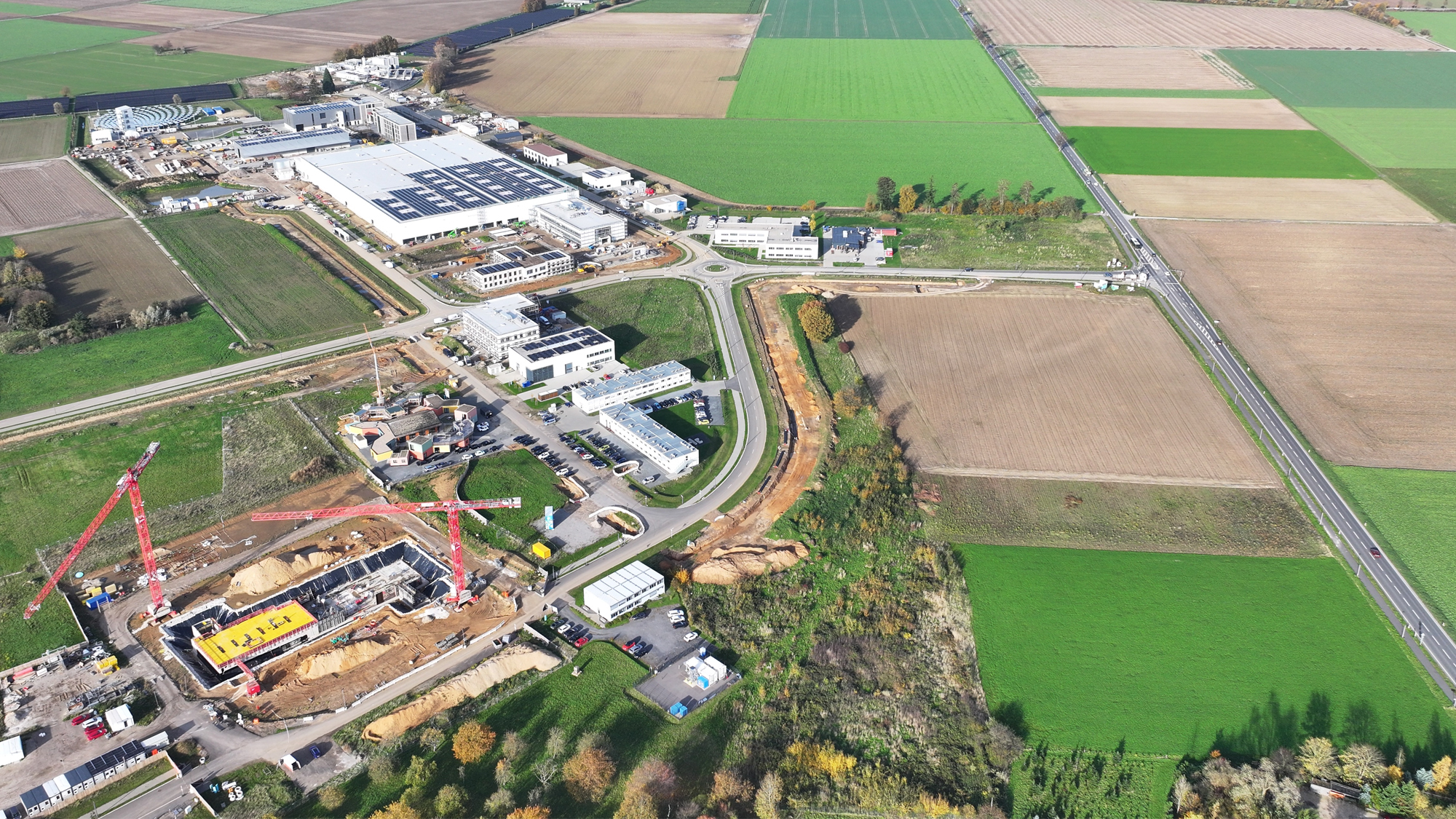
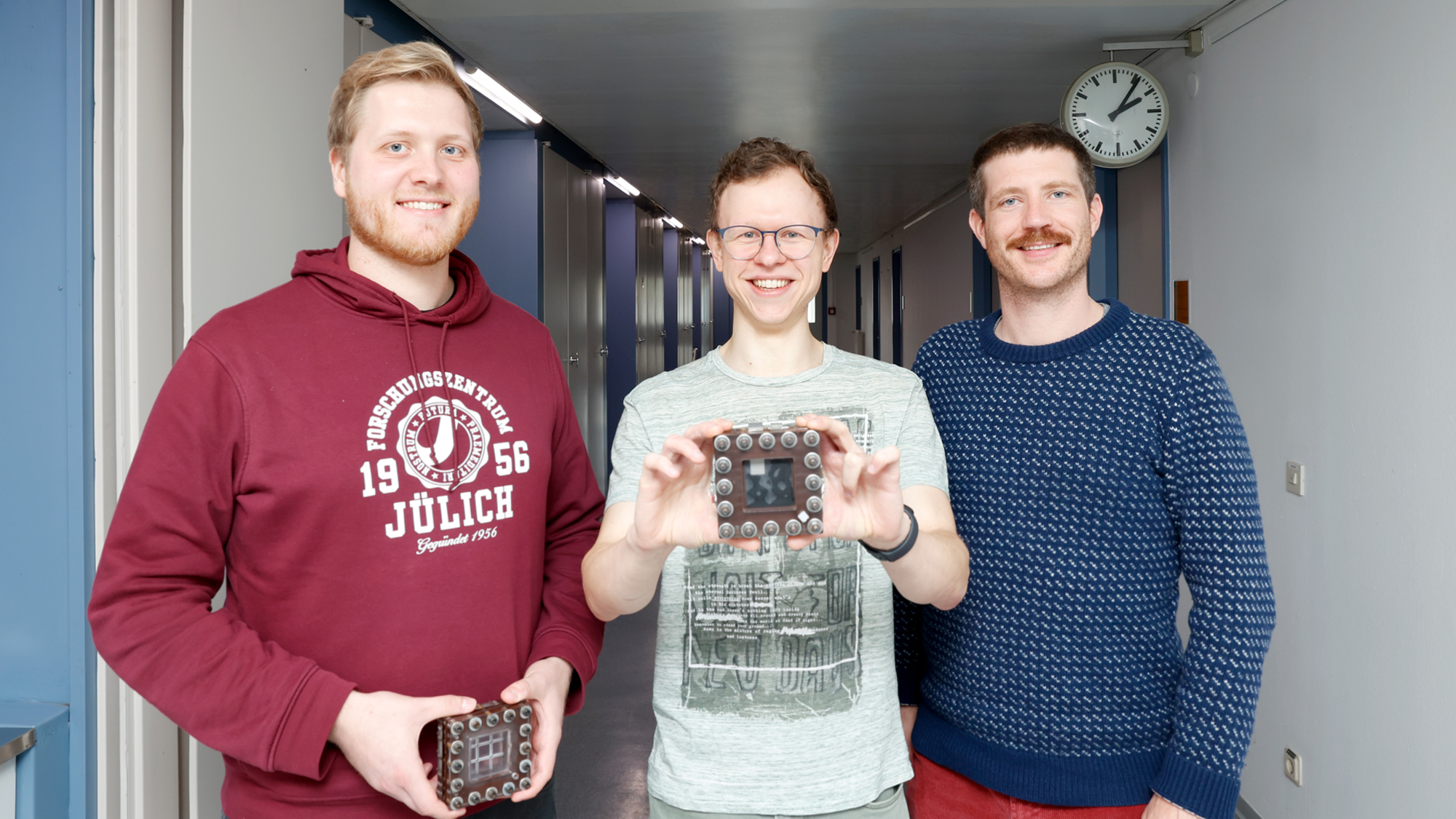
Wessling sees substantial potential for advancing this research in the DERIEL project (“De-risking Electrolyser”), established at Forschungszentrum Jülich. RWTH Aachen University is a project partner, including Wessling and his team. DERIEL is an industrial-scale test facility that enables researchers to understand more precisely how materials in an electrolyser age and lose performance – with the goal of developing more stable, lower-risk and more cost-effective materials. Beyond materials research, DERIEL also allows hydrogen production at industrial scale to be qualified for the market under real-world conditions. “We need to move from craftsmanship to serial production,” Wessling says. “Complex systems for the global market – that is an opportunity for Germany and for our region. We are capable of this.”
Knowledge is a currency
Even if PFAS cannot be avoided entirely, Wessling sees possible solutions – for example through encapsulation, which securely encloses problematic substances. “We will not be able to dispense with chemical auxiliaries altogether. What matters is understanding how to avoid risks – either by safely enclosing PFAS or by doing without them.” Knowledge, he says, is key. “Knowledge is a currency – especially when it is as concentrated as it is here in our region.”
The copyright for the images used on this website is held by Forschungszentrum Jülich, aligator kommunikation GmbH and stock.adobe.com.