TUD Dresden University of Technology, the DRESDEN-concept Science and Innovation Alliance (DDc) and the Free State of Saxony are presenting the 2026 Archimedes Science Award to Professor Peter Wasserscheid, Chair of Chemical Reaction Engineering at Friedrich-Alexander-Universität Erlangen-Nürnberg (FAU) and Director of the Helmholtz Institute Erlangen-Nürnberg for Renewable Energies (IET-2) and the Institute for a Sustainable Hydrogen Economy (IHE-3), both of which belong to the Forschungszentrum Jülich. The award will be presented in Dresden on September 9, 2026 as part of this year’s “Building Bridges” conference.
The decision to honor Prof. Wasserscheid was made by an exceptionally high-caliber jury, which is unique in its composition: Its members include the heads of the four major German non-university research organizations – Helmholtz Association, Max Planck Society, Fraunhofer-Gesellschaft and Leibniz Association – as well as the President of the German Rectors’ Conference. In addition, for the DDc Board: Prof. Ursula Staudinger, Rector of TUD, and Prof. Sebastian M. Schmidt, Scientific Director of the HZDR.
The 2026 Archimedes Science Award recognizes a leading international researcher in the field of hydrogen technologies who has made pioneering achievements in chemical hydrogen storage. His laying the essential foundations for the safe and cost-effective handling of hydrogen in the existing fuel infrastructure is particularly laudable. Encapsulating the idea behind the Archimedes Science Award, his research has a special leverage effect, in this case for sustainable solutions for energy transformation.
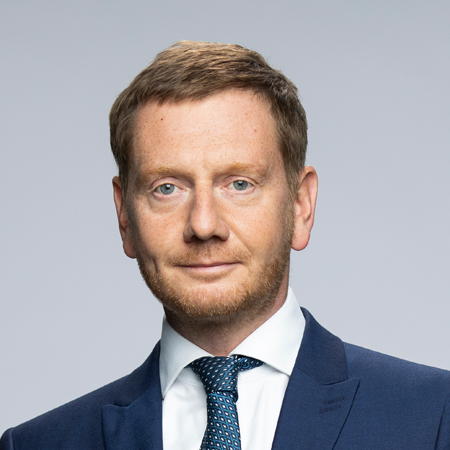
“If we want to meet the major challenges of our time head on – from climate protection to industrial transformation – then, we need scientific excellence, the courage to break new ground and close cooperation between science, business and politics. With the Archimedes Science Award, we honor personalities who endeavor to do exactly this. This year, we are celebrating Prof. Peter Wasserscheid, whose pioneering work on sustainable hydrogen technologies has made a decisive contribution to making our industry both climate-neutral and competitive at the same time. His research combines international excellence with tangible benefits for society and the economy, all the while impressively demonstrating how knowledge can lead to progress. Dresden being the chosen location to award this accolade also constitutes a strong signal for Saxony as a science hub. We are immensely proud and will continue to resolutely support it in the future. I would like to warmly congratulate Prof. Wasserscheid on this well-deserved award. I would also like to thank the jury for their conscientious decision and all the partners, especially TUD Dresden University of Technology, who have made this award possible. Scientific strength is an investment in the future of our country and it really deserves our full support and recognition.”
Michael Kretschmer, Minister-President of the Free State of Saxony
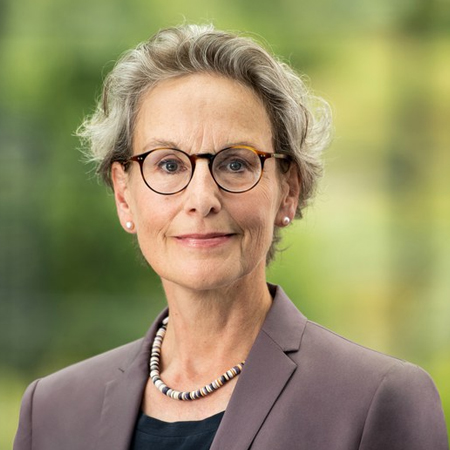
“By honoring Professor Peter Wasserscheid, we are recognizing a scientist whose research has an impact in the best sense of the Archimedes principle. The work of this year’s award winner impressively demonstrates how excellent, fundamental research can lead to technologies with enormous leverage for energy transformation, as well as effective answers to global challenges such as climate protection. As a University of Excellence, we combine scientific and technological top performance with interdisciplinary perspectives on the environment, economy and society in order to develop sustainable solutions for a climate-neutral future. Our commitment to creating effective levers for sustainable transformation from outstanding, fundamental research connects us with the award winner.”
Professor Ursula M. Staudinger, Rector of TUD and member of the DDc Board
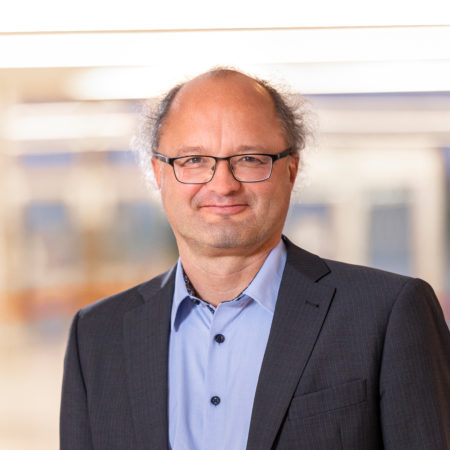
“This award is truly a great honor, and I am over the moon to have received it. I would like to extend my heartfelt thanks to all those who have contributed to this success and who have worked with me on this important issue over the past 20 years.
This passion will continue to burn: to develop innovative hydrogen technologies through novel, fundamental knowledge and to transfer them to economically viable applications for the benefit of climate protection.”
Professor Peter Wasserscheid, recipient of the Archimedes Science Award 2026
Background: Professor Peter Wasserscheid
Professor Peter Wasserscheid is a pioneer in the field of chemical hydrogen storage, having made decisive contributions to the development of new hydrogen storage cycles, optimised catalyst materials, high-performance reactor concepts and innovative process technologies. His contributions to the research and application of Liquid Organic Hydrogen Carriers (LOHC) are of particular significance. They enable the safe and cost-effective handling of hydrogen within existing fuel infrastructure. This groundbreaking innovation opens up new prospects for the economic use of “green” hydrogen across the energy, mobility and industrial sectors. It also advances the vision of a future CO₂-neutral hydrogen economy.
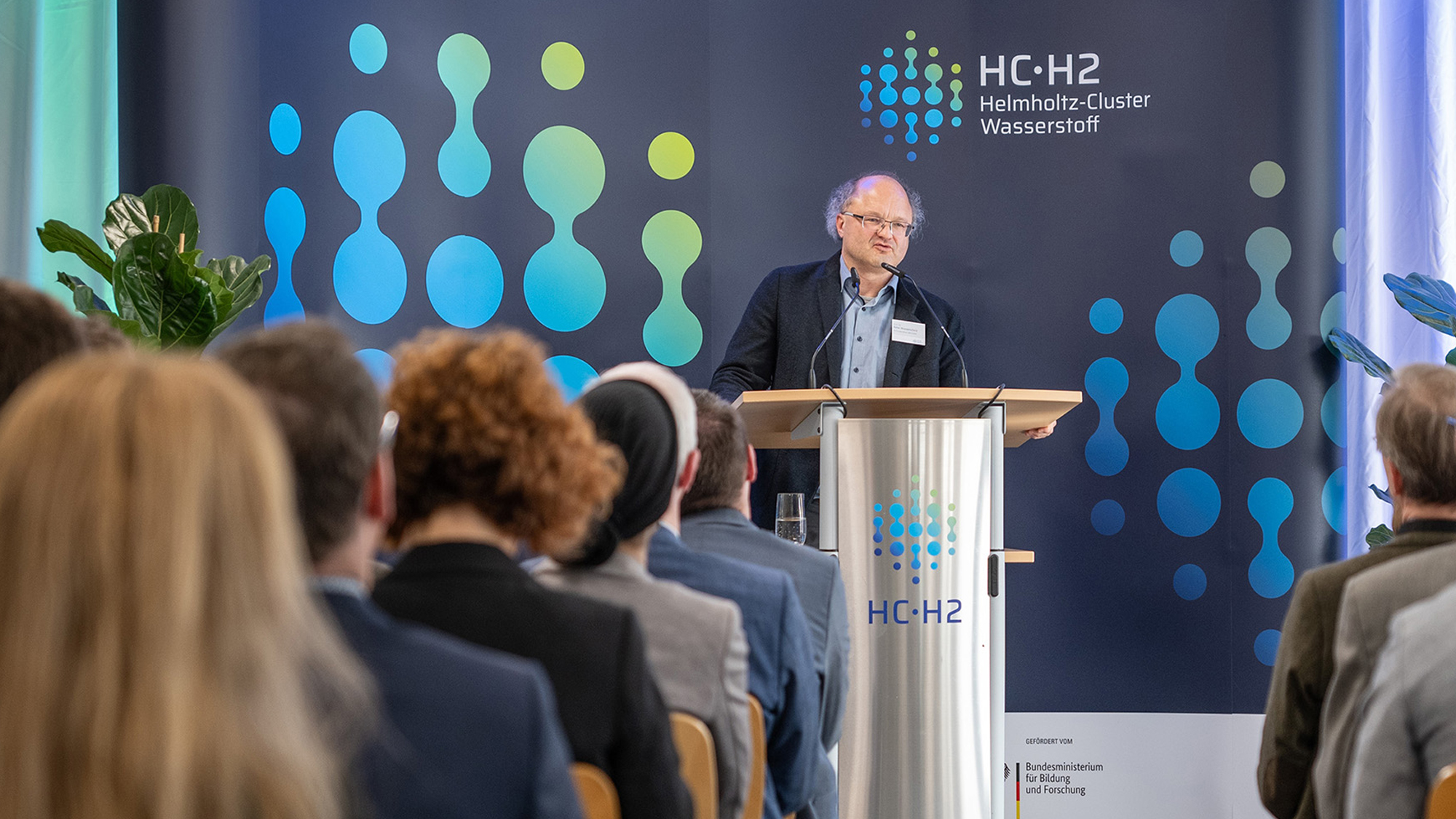
As an important thought leader and driving force, Peter Wasserscheid is also advancing the rapid transfer of scientific insights into practice in the Rhenish mining area. Coal-fired power generation in Europe’s largest lignite mining area will end in 2030. As founding director of the Institute for a sustainable Hydrogen Economy at Forschungszentrum Jülich and spokesperson of the Helmholtz Hydrogen Cluster HC-H2, he is committed to establishing hydrogen technologies as a new economic pillar in the region. Demonstration projects based on his research are intended to open up new economic perspectives and support structural transformation.
Background: Archimedes Science Award
The Archimedes Science Award is presented jointly by the DRESDEN-concept Science and Innovation Alliance and the Free State of Saxony, under the auspices of TUD. It is endowed with EUR 50,000 and has been awarded annually since 2025 as part of the international conference “Building Bridges,” which is hosted by the HZDR in close coordination with the Saxon State Chancellery. The prize stands for scientific excellence, which – in the spirit of Archimedes’ Law of the Lever – combines fundamental findings with a high social, economic and technological impact. The Archimedes Science Award also underscores Saxony’s importance as an internationally visible science hub. With this award, TUD and the Free State of Saxony are sending an incredibly strong signal for the promotion of cutting-edge research that provides answers to central questions of the future and sustainably strengthens Saxony as a location for science and innovation.
Background: DDc
DRESDEN-concept is the research alliance of TU Dresden and local, non-university research and culture institutions. A total of 45 partner institutions have joined forces in the association in order to recognize and make the most of synergies in research and teaching, as well as to gain access into infrastructure and administration from the already well-developed cooperation.
The copyright for the images used on this website is held by Forschungszentrum Jülich, aligator kommunikation GmbH and
stock.adobe.com, photothek.net/Sächsische Staatskanzlei, TUD/Robert Lohse